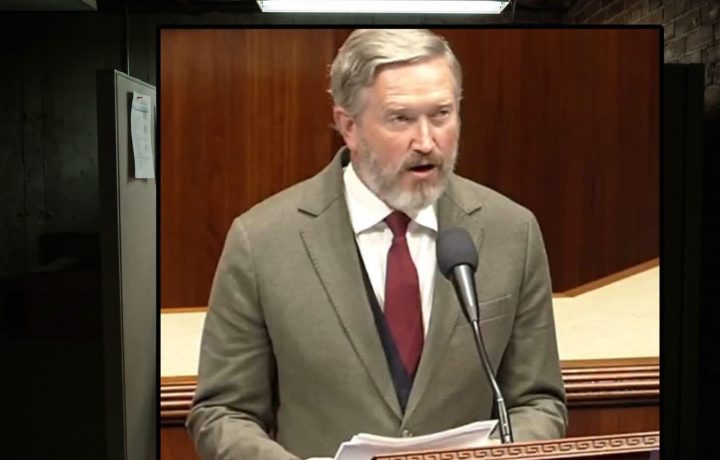

H.J.Res. 12, a proposed Constitutional amendment introduced by Republican Representative Ralph Norman of South Carolina, would limit House members to three terms and senators to two, the same structure Donald Trump has championed since his first presidential campaign in 2016.
An analysis of the 119th Congress by Quorum found that 368 House representatives, roughly 85 percent of the chamber, would be ineligible to run again under the proposed three-term cap, while 74 senators currently serve beyond the two-term limit the amendment would impose. More than 140 members of the 119th Congress have signed pledges supporting the resolution, according to U.S. Term Limits, the advocacy group tracking the effort. Under the bill’s text, the limits would not apply retroactively to time already served before the 118th Congress, meaning the clock would effectively start fresh for sitting members rather than ending careers overnight.
Trump first called for congressional term limits during his 2016 campaign as part of his “Drain the Swamp” ethics package, proposing a six-year cap for the House and twelve years for the Senate. Senator Ted Cruz of Texas and Norman have separately pushed a related amendment in both chambers, though any such change requires two-thirds approval in the House and Senate followed by ratification from three-fourths of the states, a threshold that sank a similar 1997 proposal and has stalled every attempt since the Supreme Court ruled in 1995’s U.S. Term Limits v. Thornton that only a constitutional amendment could impose the limits.
Polling cited by advocacy groups has repeatedly shown broad public support for congressional term limits across party lines, but members of Congress have a direct stake in blocking any measure that would end their own careers, a conflict that has kept similar proposals from advancing for three decades.