
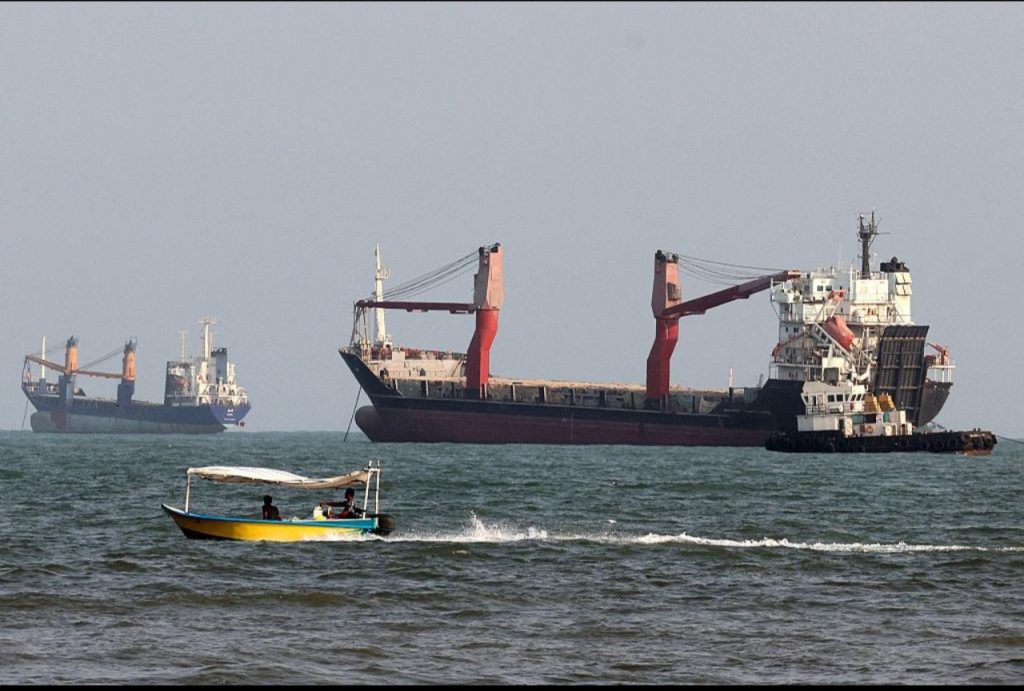
Rising maritime tensions threaten global oil supplies as commercial vessels come under attack.
Iran is reportedly adopting new tactics to target ships sailing through the strategically important Strait of Hormuz, raising fresh concerns about global oil supplies and international maritime security.
According to Reuters, two senior Iranian officials said Tehran had changed the type and frequency of attacks against vessels it considers to be violating its restrictions. The officials said the strategy is intended, in part, to keep global oil prices elevated and increase pressure on the United States ahead of its November midterm elections. Two vessels reportedly struck
The United Kingdom Maritime Trade Operations agency reported that a container ship and an oil tanker were struck by unidentified projectiles in the Strait of Hormuz on Tuesday. The incidents have added to concerns about the safety of commercial shipping in the region.
A US military official told Reuters that Iranian forces had reportedly begun using unarmed observers in small boats to identify potential targets after US strikes damaged Iran’s radar capabilities. Why the Strait of Hormuz matters
The Strait of Hormuz is one of the world’s most important energy shipping routes. Before the current conflict, approximately one-fifth of global oil and liquefied natural gas trade passed through the waterway.
Any sustained disruption could increase shipping costs, complicate energy supplies and push oil prices higher, potentially affecting fuel prices and economies around the world. Tensions remain high
The United States continues to apply economic and maritime pressure on Iran, while the threat of further attacks has complicated efforts to restore normal shipping traffic. Reuters also reported concerns that maritime operations could extend beyond the strait into nearby waters.
The situation remains volatile, and further developments could have significant consequences for global energy markets and regional security.
This article is based on Reuters reporting. The allegations and claims attributed to officials have not all been independently verified.
Source: Read the original Reuters report